Challenge
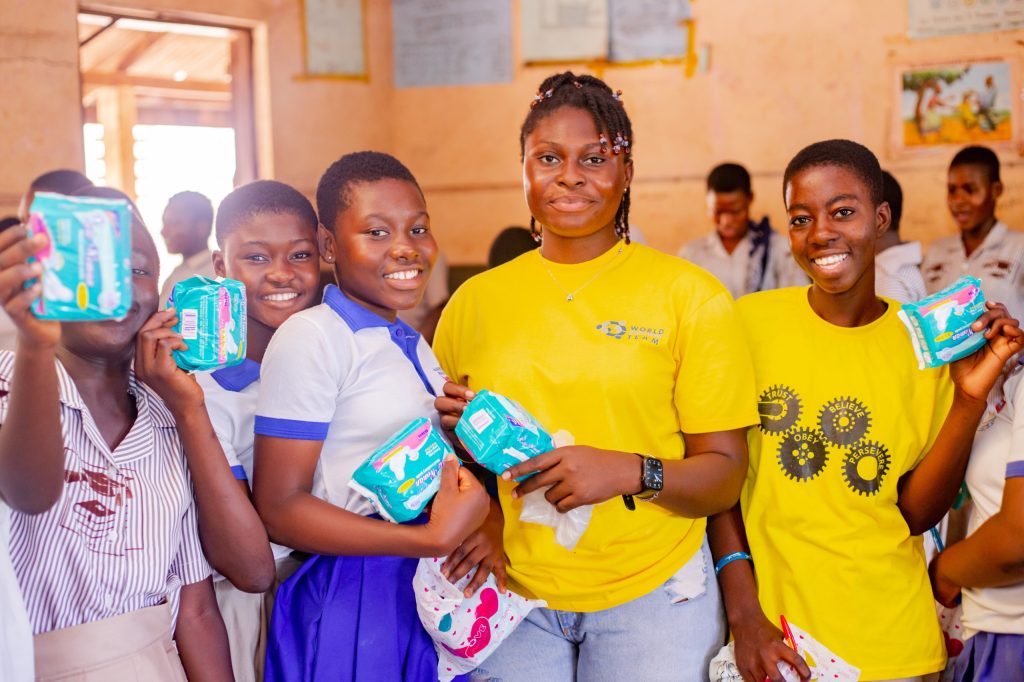
Before this intervention, menstruation remained a significant but under addressed barrier to education in low income communities in Prampram. Many school aged girls lacked access to sanitary products and accurate menstrual health education, leading to frequent school absenteeism, reduced academic performance, and increased stigma. In some cases, girls resorted to unsafe alternatives, exposing them to preventable health risks, while others disengaged from education entirely. The core gap was limited access to menstrual health resources and inadequate reproductive health education within the school system.